 Skip to content
Manufactured Fences vs. Natural Wood: Which Lasts Longer?
The lifespan of a fence largely depends on the materials used. Manufactured fences such as vinyl, chain link, and iron/steel typically outlast natural wood fences by a significant margin.
- Vinyl Fences: High-quality vinyl can last 20–30+ years with minimal maintenance. Resistant to rot and fading, it’s an excellent long-term choice.
- Chain Link Fences: Galvanized or coated chain link fences usually last 15–30 years, depending on upkeep.
- Iron/Steel Fences: Galvanized steel can last over 50 years, while properly maintained wrought iron may exceed 100 years.
-
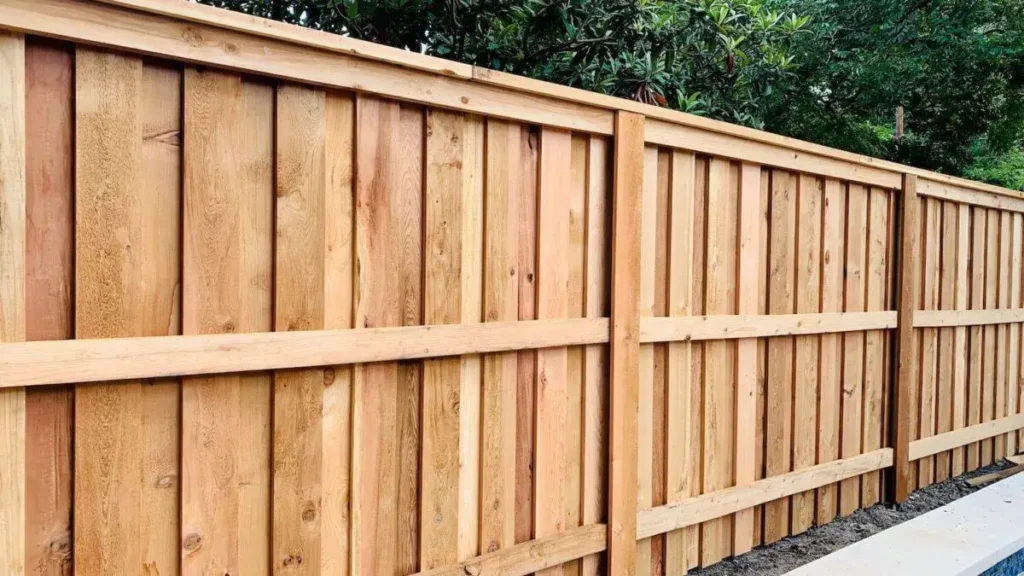
Wood Fences: Though wood offers classic beauty, its lifespan is generally shorter:
- Redwood/Cedar (recommended): 20–30 years, potentially longer with diligent maintenance
- Pressure-treated Pine: 15–20 years
- Spruce/Fir: 5–12 years
- Agricultural wire on T-posts: 10–20 years, depending on coating and maintenance
Environmental Factors: How Weather and Location Affect Fence Life
Your fence’s location can greatly influence its durability:
- Wet Climates/Standing Water: Promote rot, rust, and mold, shortening fence life.
- Windy Areas: Increase stress on posts and panels, especially tall fences.
- Full Sun Exposure: Can fade and dry out wood and unstabilized vinyl.
- Metal Posts for Wood Fences: Extend lifespan by resisting rot and wind damage.
- Fire-Prone Regions: Steel or fire-resistant options are safer in areas like the Foothills or parts of Placer County.
Maintenance Tips: Keep Your Fence Strong and Lasting
All fences, regardless of material, require regular care:
- Inspect your fence annually for broken boards, loose rails, leaning posts, rust, or vinyl cracks.
- Tighten or replace any loose screws, bolts, hinges, latches, and locks.
- Clean your fence yearly with mild soap and water to remove dirt, mold, and mildew.
- Trim plants and grass around the fence to prevent moisture buildup and pests.
- Ensure proper drainage around posts to keep wood dry after rain.
- Stain, seal, or paint wood fences every 2–3 years on a clean, dry surface with water/UV-resistant products.
- Remove debris like leaves and branches to prevent rot and rust.
- Treat and repair rusted metal components immediately with sand and rust-inhibiting paint.
- Address any damage quickly—broken boards, bent posts, or cracked vinyl can worsen if ignored.
- Check post stability after storms and refill soil as needed.
- Inspect for pests such as termites or wasp nests and treat promptly.
- Test gates and moving parts for smooth operation and lubricate or adjust as needed.
Consistently following these maintenance steps will help extend your fence’s lifespan and keep it looking and functioning at its best.
Frequently Asked Questions
Which fence type lasts the longest?
Wrought iron and quality steel can exceed 50 years with proper care. Vinyl is another long-lasting, low-maintenance option.
Can wooden fences last up to 30 years?
Yes! Cedar or redwood fences installed on metal posts and maintained properly can reach this lifespan.
Will every fence eventually need repairs?
Absolutely. Addressing small issues early prevents costly, larger problems later.
